Custom Furniture Business Management Software: A Complete Guide for Workshops

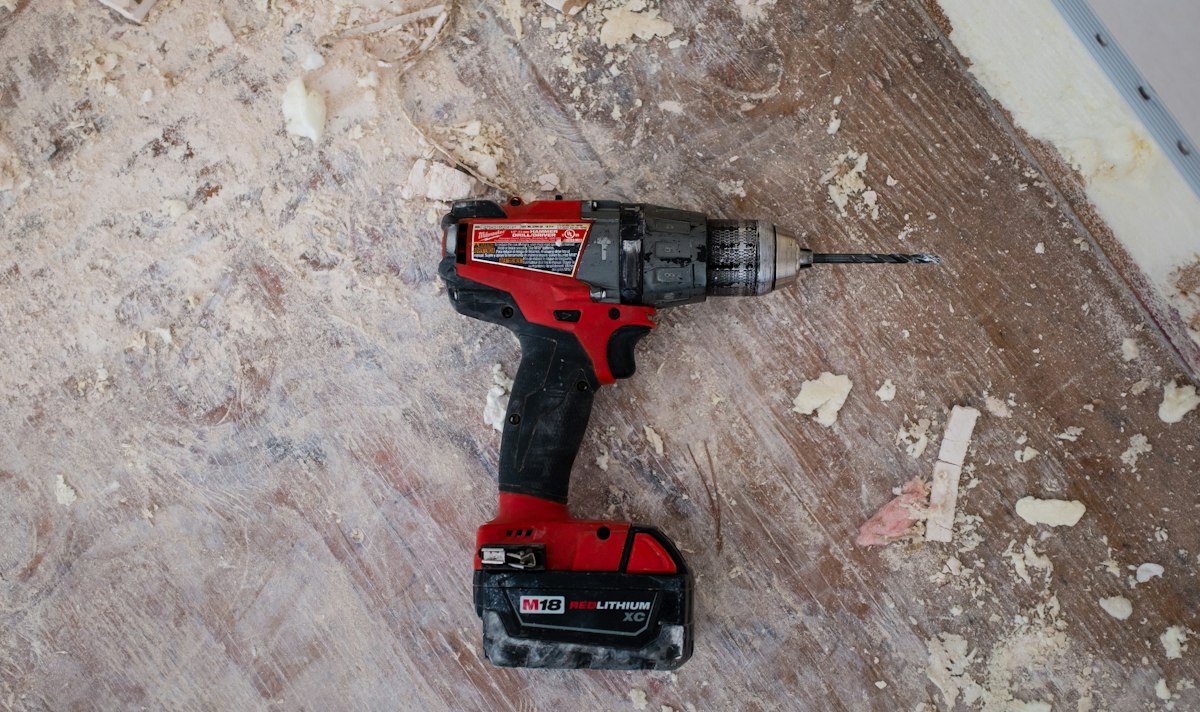
Pak Wahyu Setiawan built his teak furniture workshop, Mebel Jati Utama, in the Tahunan area of Jepara back in 2011. What started as a small workshop with four carvers has grown into a team of 14 -- eight woodworkers and carvers, three finishing and painting specialists, two admin staff who also handle sales, and one driver who manages delivery and installation. Every month, Mebel Jati Utama takes on 18 to 25 custom orders, ranging from a single carved Jepara-style living room set, an eight-seat solid teak dining table, all the way to custom kitchen sets and built-in cabinets for new homes in Jakarta and Surabaya.
The problem is that the entire process, from order intake to final delivery, still lives inside Pak Wahyu's head and on handwritten order slips. Size specifications, wood type, carving pattern, and finishing color are jotted down on scraps of paper that easily get stained by spilled varnish, while extra details from clients usually arrive later through WhatsApp messages buried among hundreds of others. The progress of each order -- whether it is at the material-cutting stage, being assembled, or already in finishing -- is only known by Pak Wahyu physically walking the workshop floor and asking each craftsman directly.
The incident that truly rattled him happened last March. Two kitchen set orders with similar door designs -- one for a client in Bintaro worth Rp 42 million, the other for a client in Bekasi worth Rp 38 million -- had their measurement notes mixed up because the two order slips were written by different admin staff and filed in the same folder. The mistake was only discovered after the wood had already been cut to the wrong dimensions, forcing the workshop to repurchase nearly Rp 6 million worth of teak and pushing both deliveries back by almost three weeks. The Bintaro client threatened to cancel the order outright and demand a full refund of the deposit.
Just as frustrating, Pak Wahyu often struggles to calculate accurate cost estimates when taking on a new order. The amount of wood, foam, upholstery fabric, and carving labor required is still worked out roughly from experience, so it is not uncommon for the price quoted to a client to end up lower than the actual production cost -- especially for intricate carving designs that take craftsmen longer than expected.
What is a custom furniture business management system
A custom furniture and woodworking business management system is a digital platform that brings an entire workshop's workflow -- from order intake, through production, to delivery and final payment -- into one centralized system, replacing the mix of handwritten order slips, workshop whiteboards, Excel spreadsheets, and WhatsApp chats that most custom furniture businesses in Indonesia still rely on to run their daily operations.
Concretely, it covers per-client custom order management complete with size specifications, material type, finishing style, and attached design sketches or 3D renders accessible to every relevant staff member, real-time production stage tracking from material cutting, assembly, finishing or painting, quality control, through to ready-for-delivery, automatic cost estimation and material calculation based on order specifications -- for example teak or mahogany wood requirements in cubic meters, upholstery fabric in linear meters, and foam in sheets -- delivery and installation scheduling at the client's location, raw material stock management and supplier vendor data for wood and accessories such as hinges and drawer handles, an online product catalog serving as a portfolio gallery that prospective clients can use to place initial orders, and invoicing with the deposit-and-installment payment scheme common in custom furniture businesses.
The real cost of running without a digital system
For most custom furniture workshops, the cost of skipping a digital system rarely shows up as a clean line item, but it is felt every single day on the production floor.
First, there is the risk of specification errors that lead to material waste. When size, wood type, and carving details are only recorded on paper that passes from admin to the cutting team to the assembly team, a small mistake like the one Pak Wahyu experienced can turn into tens of millions of rupiah in material losses and delivery delays that damage client trust.
Second, cost estimates that miss the real production cost. Without automatic calculation based on specifications, many workshops set prices by gut feeling or rough comparison to past orders, so orders with intricate carving details or premium materials often end up sold at margins that have already been eaten away by actual production costs.
Third, time wasted on manual coordination between production stages. Without a system that clearly shows the status of each order, workshop owners or floor supervisors have to walk around asking each department one by one, and orders that should have already moved into finishing sometimes stall simply because no one knew the material had already been cut and was ready for assembly.
Fourth, revenue leakage from final payments that are not tracked properly. A 50 percent deposit upfront with final payment on completion or delivery is standard practice in custom furniture, but without centralized records, it is common for a final payment to slip through uncollected because the only record of it lives in a cashbook kept by one person.
Fifth, inaccurate raw material stock. When wood, foam, and accessory stock are not tracked in real time, a workshop can run out of material mid-production even though leftover stock actually exists but was never recorded, or conversely purchase new material when the warehouse still has enough on hand.
Key features you actually need
Not every furniture business management system on the market is built the same way. Before your workshop commits to one, here are the features that genuinely matter:
- Per-client custom order management. Full size specifications, material type (teak, mahogany, mindi wood, and so on), finishing style, color, and attached design sketches or 3D renders are recorded together, so the cutting and assembly teams reference exactly the same data without the risk of misreading handwriting.
- Workshop production stage tracking. Each order's status moves clearly from material cutting, assembly, finishing or painting, quality control, through to ready-for-delivery, with visibility owners and supervisors can check anytime without walking the floor.
- Automatic cost estimation and material calculation. The system computes wood requirements in cubic meters, upholstery fabric, foam, and carving labor based on order specifications, so the price quoted to clients already reflects actual production cost and a healthy margin.
- Delivery and installation scheduling. A centralized calendar showing delivery and installation schedules at the client's home, with automatic notifications to both client and driver so schedules never clash or get forgotten.
- Raw material and vendor management. Wood, foam, fabric, and accessory stock such as hinges and drawer handles are tracked in real time and linked to supplier vendor data, so reordering happens on time.
- Online product catalog. A portfolio gallery of past designs accessible to prospective clients online, making it easy for them to order a similar design or use it as a starting reference.
- Invoicing with deposit and installment payments. The system tracks the upfront deposit and final payment scheme upon completion or delivery, with automatic reminders for clients whose final payment has not yet come in.
- Client history and profiles. Every client has a profile with past order history, design preferences, and communication notes, making it easier for the workshop to offer follow-up orders or handle complaints with full context.
Off-the-shelf software vs. building a custom system
Furniture workshop owners who start considering digitalization usually face a choice between off-the-shelf software (generic SaaS for production or inventory management) and building a custom system designed specifically around their workshop's workflow.
Off-the-shelf software wins on speed of implementation and lower upfront cost, making it a reasonable fit for small workshops with low order volume and relatively uniform products. The problem is that most off-the-shelf tools on the market are built for generic manufacturing, not specifically for the unique character of custom furniture work -- where every order is essentially a different product with its own specification, not an identical mass-produced item. As a result, features like carving-based material calculation or per-order design sketch attachments are often missing entirely or have to be awkwardly bolted on.
A custom system, on the other hand, is built around how the workshop actually operates: a production flow that matches your workshop's real stages, cost calculations that follow the specific wood types and carving styles you typically work with, and an access structure that distinguishes the roles of admin, production supervisor, and delivery driver. The upfront cost is higher and the build takes longer than off-the-shelf software, but the system can grow alongside the workshop -- whether that means adding new product lines or opening a sales branch in another city.
As a general rule of thumb: workshops handling fewer than 10 custom orders a month can usually start with a tidier spreadsheet setup or simple inventory software, while workshops with higher order volume, more craftsmen, or complex material calculation needs will get far more value from investing in a custom system from day one.
Case study: UD Rotan Makmur, Cirebon
UD Rotan Makmur is a rattan and combined wood-rattan furniture workshop in Cirebon that switched to a custom digital management system in mid-2025. Before the switch, the workshop -- with 16 craftsmen and an average of 22 custom orders a month -- faced problems familiar to many custom furniture businesses: average delivery delays of 11 days past the date promised to clients, material waste from specification errors running around 14 percent of monthly raw material costs, and outstanding final payments piling up to Rp 96 million with no clear record of when each was due for collection.
Working with a development team to build a system tailored to the workshop, UD Rotan Makmur implemented an order management module with digital sketch attachments, kanban-board-based production stage tracking accessible to each department head via tablet on the workshop floor, automatic calculation of rattan and wood requirements based on specifications, and a per-client outstanding payment dashboard. Development took about 9 weeks and cost around Rp 45 million, including staff training and a two-week hands-on support period after go-live.
Eight months after go-live, the results were striking. Average delivery delays dropped from 11 days to just 2-3 days. Material waste from specification errors fell from 14 percent to around 5 percent, saving an estimated Rp 9-12 million in raw material costs per month. On-time final payment collection rose by roughly 35 percent, since every admin staff member now had clear visibility into when an order was ready for delivery and its final payment needed to be collected. The workshop's owner, Bu Endang Kartika, also credits the online catalog built alongside the system for bringing in five new out-of-town orders within the first three months without any additional advertising spend.
Typical cost and timeline in Indonesia
For the Indonesian market, custom furniture and woodworking business management system development typically falls into three tiers.
For a small workshop with fewer than 15 orders a month and basic needs -- order management, simple production stage tracking, and invoice records -- costs range from Rp 15 million to Rp 28 million, with a build time of 4-6 weeks.
For a mid-sized workshop with an order volume of 15-30 a month, several product lines, and the need for fuller features such as automatic material calculation, stock and vendor management, and an online catalog, costs range from Rp 32 million to Rp 50 million, with a build time of 7-10 weeks.
For a larger workshop or furniture business with multiple sales branches, a production team of over 20 people, integration needs with accounting systems, and separate mobile apps for field craftsmen and delivery drivers, costs can reach Rp 55 million to Rp 90 million, with a build time of 3-4 months.
These figures naturally vary depending on the complexity of material calculations, the number of users, and whether the workshop needs online payment integration for deposits from out-of-town clients. As a general pattern, major furniture centers such as Jepara, Cirebon, and Sukoharjo tend to have higher order volume and product variety than workshops in smaller cities, so their system needs typically land in the mid-to-large tier.
Metrics to track after implementation
Once the system is live, a handful of metrics deserve regular monitoring to confirm the investment is actually paying off:
- Average delivery delay from the date promised to the client, ideally under 3 days for most orders.
- Material waste percentage from specification or requirement calculation errors, compared against the pre-system baseline.
- On-time final payment collection rate within 7 and 14 days after an order is ready for delivery, as a cash flow indicator for the workshop.
- Number of orders completed per craftsman per month, to see whether production efficiency is actually improving.
- Average time from order intake to delivery and installation, as a proxy for client satisfaction.
- Number of new orders coming through the online catalog, to measure whether the digital portfolio gallery is effectively attracting new clients.
Implementation: common challenges and how to handle them
Migrating from manual record-keeping to a digital system is not without friction, especially at furniture workshops that have operated the same way for years with deeply ingrained habits among senior craftsmen.
The first challenge is adoption among craftsmen accustomed to receiving instructions on paper or verbally. The fix is choosing an extremely simple interface for production-floor users -- just a button to mark an order's status, without much typing required -- along with gradual, hands-on training delivered right on the workshop floor.
The second challenge is standardizing how specifications are recorded, which previously varied from admin to admin. Before building the system, it helps to first draw up a standard list of wood types, finishing styles, and measurement units used, so data entering the system is consistent and usable for accurate calculations.
The third challenge is the accuracy of initial data for automatic material calculation. Formulas for wood requirements per cubic meter or foam per sheet need to be validated against real production data over the first few weeks, so cost estimates genuinely match field conditions rather than staying purely theoretical.
The fourth challenge is making sure the system stays in consistent use across every department, not just among admin staff. That is why it matters to choose a development partner who provides hands-on support during the early rollout period and ongoing post-launch support.
Where to start
If your workshop still relies on handwritten order slips, a whiteboard, and craftsmen's memory to manage orders, production stages, and client payments, now is the time to start mapping out what digitalization should look like -- before a specification mix-up like the one Pak Wahyu experienced turns into an even bigger loss of material and client trust.
The realistic first step is mapping your workshop's current production flow: how many orders per month, how many production stages each order passes through, and which feature is most urgent to digitize first -- production tracking, material calculation, or payment records. From there, our team at AFSS can help design a system that matches the scale and specific needs of your custom furniture workshop.
Check our development cost ranges on the harga page, or go ahead and ajukan proyek for an initial consultation and a cost estimate tailored to your workshop's needs.
Have a similar project?
Free consultation, no commitment. Tell us what you need — we'll help you find the best solution.
Free Consultation