Coworking Space Management Software: Fixing Meeting Room Double-Bookings, Leaking Member Quotas, and Late Virtual Office Billing
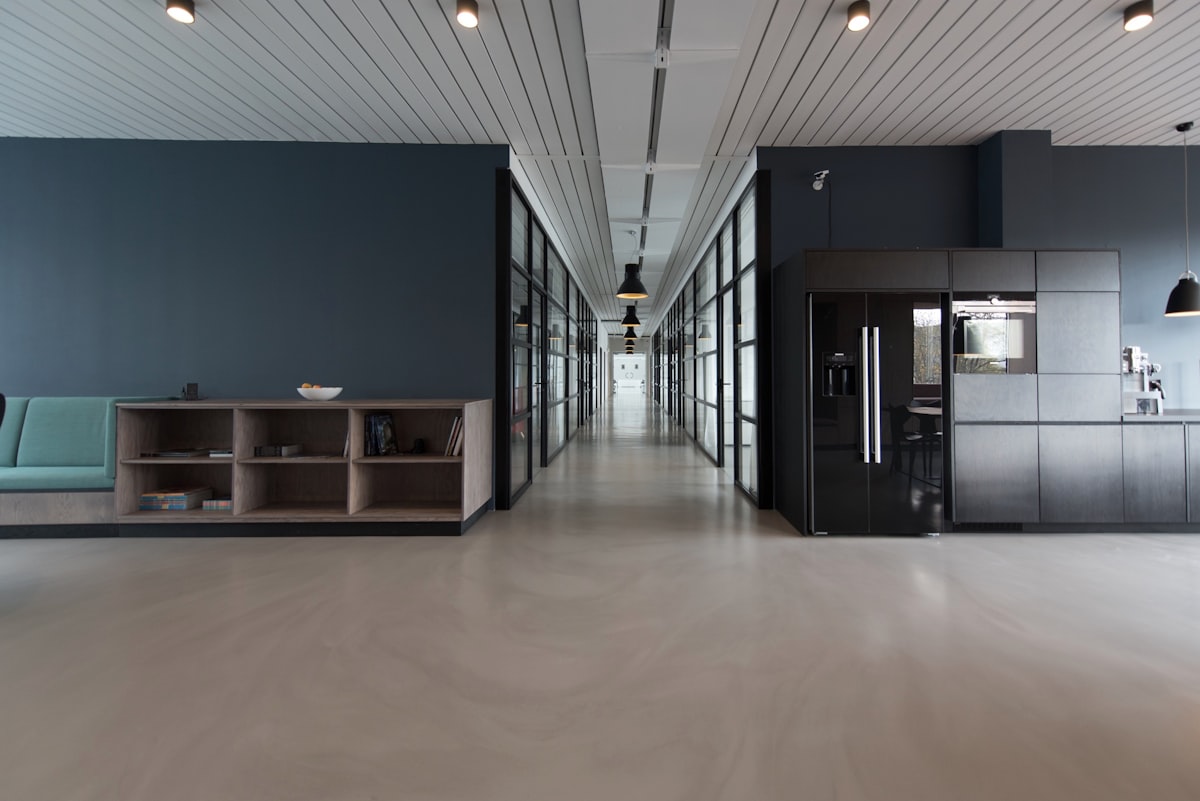
Kevin Halim founded Hub Kreatif Bandung in 2015, starting from a two-story shophouse he rented in the Dago area of Bandung. Back then it held just 12 shared desks, one small meeting room for four people, and a coffee machine he bought with his own savings. Kevin, a former business consultant who used to bounce between cafes to get work done, spotted a gap: many freelancers, small startup teams, and independent workers in Bandung needed a space more professional than a cafe, but far cheaper than renting their own office. His starting capital was thin, and for the first six months he personally handled reception, cleaning, and chasing monthly dues from his first 20 members.
Eleven years later, in mid-2026, Hub Kreatif Bandung has grown into one of the largest coworking operators in the city. Kevin's business now runs three locations — in Dago, Buah Batu, and Setiabudi — spanning six floors, 240 shared desks, and 14 meeting rooms and private offices of varying sizes. He employs 18 community and front-desk staff rotating across the three locations, nine facilities staff for cleaning and building upkeep, seven people on the sales and membership team handling acquisition and renewals, and five admin-finance staff managing billing and bookkeeping. Altogether there are 480 active members across various membership tiers — from day passes to dedicated desks to private offices — plus 210 virtual office clients who use Hub Kreatif Bandung's address as their official company address and rely on it for mail handling.
The problem is that how Hub Kreatif Bandung ran its day-to-day operations never really changed since the days of those first 12 desks. Meeting room bookings were still coordinated through a combination of a Google Spreadsheet anyone could edit and a front-desk WhatsApp group where members would message "want to use Merapi Room at 10 tomorrow" — with no automatic check against the third-party booking app used at other locations. The meeting-room-hour quota included in each membership plan was tracked manually in the same spreadsheet columns, and often went days without being updated. Meanwhile, monthly virtual office invoices — the fees for the company address and mail handling — were created one by one by the admin-finance team at month's end, sent by email or WhatsApp, with no system flagging which clients hadn't paid.
All of it exploded into a real crisis in March 2026. Two startup founders, each with a different investor meeting scheduled, both showed up at the Merapi Room in the Dago location at the same 10am slot — one team had booked through Hub Kreatif Bandung's official app a week earlier, the other had been confirmed over WhatsApp by a front-desk staffer on a different shift who never checked the spreadsheet. The result was a genuinely embarrassing scene: one startup team was mid-pitch, deck on screen in front of their investors, when the second team walked in with their own investors in tow, believing the slot was theirs. Someone in the room recorded the moment, and it ended up in an X (Twitter) thread about Bandung's startup ecosystem that was reposted more than 340 times and kept circulating in several Bandung startup WhatsApp groups for weeks. Before the embarrassment even faded, Kevin's finance team ran a routine internal audit the following month and discovered that 47 virtual office accounts had been unpaid for anywhere between three and seven months — none of them ever flagged or systematically re-billed — with total unpaid dues reaching Rp214 million, while Hub Kreatif Bandung had kept receiving and forwarding their mail as usual the whole time.
What is coworking space and virtual office management software
Coworking space and virtual office management software differs from a generic room-booking app in three fundamental ways. First, its meeting room booking system runs in real time and is directly tied to each member's membership tier, so the moment a room is booked through any channel — app, receptionist, or member portal — that slot is automatically locked across every other channel, eliminating the risk of two bookings colliding at the same time. Second, the system automatically tracks the meeting-room-hour quota that comes bundled with each membership plan: every time a member uses a room, the hours are deducted from their monthly quota, and once the quota runs out, the system automatically calculates the overage charge and adds it to the next invoice without any manual reconciliation. Third, virtual office subscriptions — the monthly fee for a company address and mail handling — are billed automatically on schedule, with each client's payment status clearly flagged (paid, due, or overdue) so the finance team can immediately see which accounts need follow-up without combing through manual records every month.
What coworking spaces actually lose without a centralized system
- Reputation damage inside a tight-knit community. The startup and coworking scene in a city like Bandung is small and interconnected; one viral double-booking incident can make prospective members hesitant to choose a workspace that looks unprofessional, even when the physical facilities themselves are genuinely good.
- Overage revenue that quietly evaporates. When meeting-room-hour quotas aren't tracked systematically, members who routinely use more than their allotment are never billed for the excess, and this loss keeps accumulating month after month without showing up anywhere in the books until an audit uncovers it.
- Virtual office receivables that pile up undetected. Without automatic flagging, overdue accounts can keep enjoying mail-handling service for months before anyone notices, and collecting on old debt is far harder than billing on time in the first place.
- Admin-finance staff time eaten by repetitive work. Manually generating invoices one at a time for hundreds of members and hundreds of virtual office clients every month consumes time that could go toward more strategic work, like member retention or occupancy analysis.
- A poor member experience that hurts renewal rates. Members who've lost a meeting room slot to a double-booking, or received an incorrect bill because of manual data entry, are far more likely to switch to a different coworking operator once their contract is up.
Key features a coworking space management application needs
- Centralized multi-location booking calendar. Every meeting room and private office across every location appears on one real-time calendar accessible from the member app, admin portal, and front-desk screen, closing off any gap for double bookings.
- Automatic membership quota tracking. Each membership tier carries different meeting-room-hour quota rules, and the system automatically deducts usage from each member's quota and calculates the overage charge the moment the quota is exceeded.
- Subscription-based virtual office billing. Monthly invoices for address and mail-handling services are generated and sent automatically on each client's billing cycle, complete with automated reminders before and after the due date.
- Real-time payment status dashboard. The finance team can see at a glance which accounts are paid, approaching due date, or overdue, filterable by location and service type, without opening a separate spreadsheet.
- Integrated physical access management. A system connected to access cards or digital door locks can automatically disable access for members who are seriously overdue, while ensuring active members can enter any location their plan covers.
- Occupancy and space utilization reporting. Usage data for each meeting room and desk occupancy trends over time help management decide when to add new rooms or adjust plan pricing.
Buy an off-the-shelf app or build a custom system
For a coworking space with a single location and a simple membership model, an off-the-shelf subscription management app can be a reasonable starting point, since the cost is lower and it can be used right away without waiting on a development timeline. But once a business carries the kind of combined complexity Hub Kreatif Bandung has — three separate locations, a dozen-plus meeting rooms with different quota rules per membership tier, and a virtual office line of business with its own billing cycle separate from workspace membership — generic apps often force the business to bend its processes around the software's limitations rather than the other way around.
A custom system, on the other hand, is built to follow the membership structure, overage rates, and virtual office billing workflow that already exist, so staff never have to work in a way forced on them by third-party software. The upfront investment is larger and the build takes longer, but for a business at Hub Kreatif Bandung's scale and operational complexity, a custom system usually pays off over the medium term because there's no recurring monthly leak in overage revenue, and the finance team doesn't need to hire more people just to chase manual work that could have been automated.
Cost and timeline estimates in Indonesia
For a mid-sized coworking space with one or two locations, fewer than 10 meeting rooms, and under 200 active members, a custom management system with centralized booking, quota tracking, and basic virtual office billing modules typically runs between Rp90 million and Rp180 million, with a build timeline of about three to five months. For a larger-scale operator with three or more locations, hundreds of desks, a dozen-plus meeting rooms spanning multiple membership tiers, physical access or member card integration, and hundreds of virtual office clients like Hub Kreatif Bandung, development costs typically fall between Rp280 million and Rp550 million, with a six-to-nine-month build depending on how many third-party integrations are needed, such as door access gateways, payment gateways, and existing accounting systems.
Case study: Hub Kreatif Bandung, Bandung
After the March 2026 incident and the virtual office audit findings a month later, Kevin decided he could no longer rely on a mix of spreadsheets and WhatsApp for a business the size Hub Kreatif Bandung had become. He worked with a development team to build a custom management system covering a centralized booking calendar across all three locations, automatic meeting-room-hour quota tracking per membership tier, and automated subscription billing for every virtual office client. The system went live in August 2026, exactly eleven years after Hub Kreatif Bandung first opened in that Dago shophouse.
Three months after go-live, the results showed clearly in the numbers. Double-booking incidents dropped to zero, since every reservation channel now feeds into the same single calendar. Revenue from meeting-room quota overage charges rose 34% compared to the prior three-month average, purely because usage above quota is now billed automatically rather than missed. Virtual office receivables overdue by more than 60 days fell 71%, since the system now sends automatic reminders and flags problem accounts from the first week of lateness instead of months later. Time the admin-finance team spent generating manual invoices dropped by more than half, freeing them to focus on clients who genuinely needed personal follow-up.
Metrics to monitor after implementation
- Number of double-booking incidents per month
- Percentage of meeting-room-hour quota used per membership tier
- Overage revenue compared to the prior month
- Average age of unpaid virtual office receivables
- Membership and virtual office contract renewal rate
Implementation challenges and how they were solved
The first challenge was shifting years of habit among members and front-desk staff who were used to booking through WhatsApp. Hub Kreatif Bandung handled this with a two-month transition period where WhatsApp requests were still accepted by staff, but immediately entered into the new system on the spot, so members still felt served while gradually being guided toward booking directly through the app.
The second challenge was setting fair quota rules for each membership tier without making longtime members feel shortchanged compared to the old, looser arrangement. Kevin's team solved this with a full one-month grace period during which members exceeding their quota were notified but not yet billed, giving them time to adjust their usage patterns before overage charges actually kicked in.
The third challenge was collecting on old virtual office debt that had piled up before the new system went live, without making clients feel suddenly ambushed. The finance team reached out to each overdue client individually, offered installment plans to those who needed them, and only turned on automatic flagging and system reminders for new invoices once the old receivables cleanup was complete.
Where to start
Hub Kreatif Bandung's story began with one modest shophouse, 12 desks, and a coffee machine bought from Kevin's own savings — and eleven years later, what nearly damaged its reputation wasn't a lack of customers, but an operational system that never grew alongside the business's scale. If your coworking space or virtual office service is starting to show the same symptoms — bookings that keep overlapping, member quotas nobody can clearly account for, or invoices that go out late — the first step is understanding a realistic investment range through the pricing page, then submit a project to discuss your business's specific needs.
Have a similar project?
Free consultation, no commitment. Tell us what you need — we'll help you find the best solution.
Free Consultation
Print Shop Management App: Fixing Design Approval Chaos, Pricing Errors, and Missed Deadlines
Read more
Veterinary Clinic Management Software: Fixing Unsynced Medical Records, Expired Medicine Stock, and Boarding Booking Clashes
Read more