Heavy Equipment Rental Software: Prevent Double Bookings and Missed-Service Breakdowns
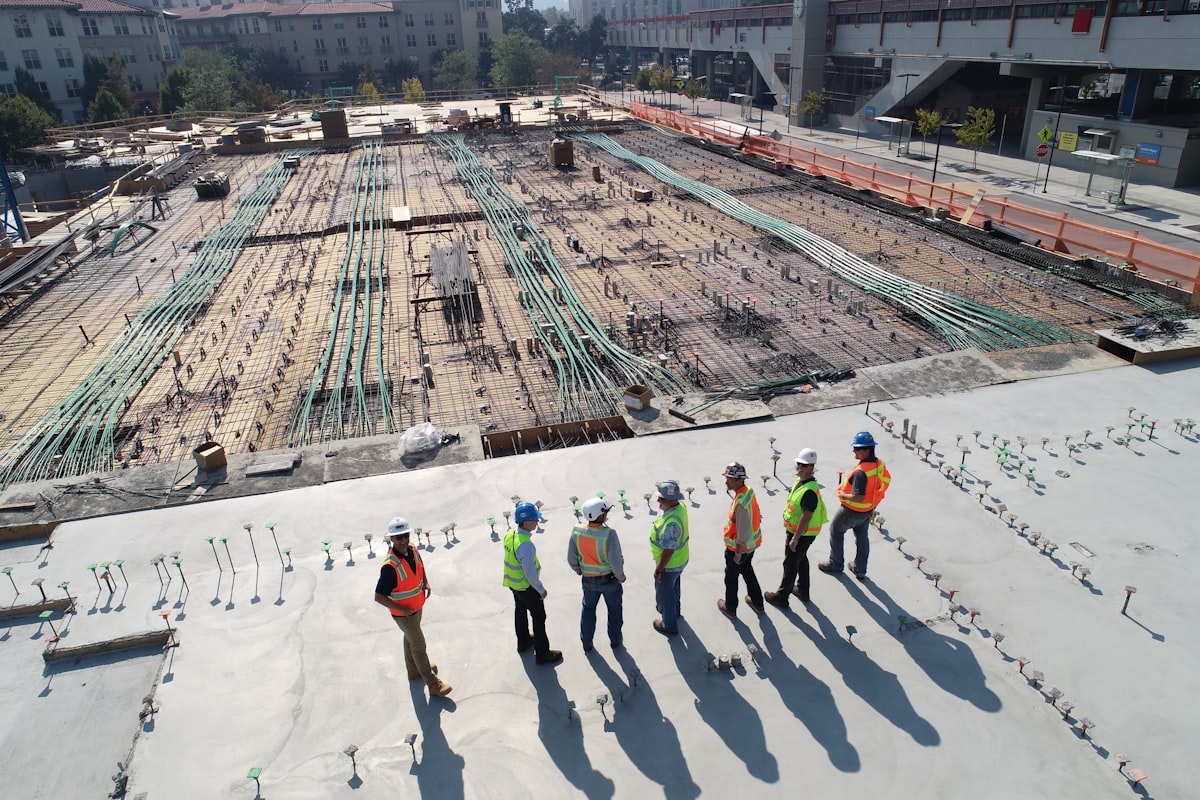
Pak Suryadi runs a heavy equipment rental business in Cikarang, leasing excavators, dump trucks, and cranes to construction and mining companies around West Java. His fleet numbers 18 units, and every time a rental order comes in, the admin logs the schedule on a wall calendar and a separate WhatsApp group for each operator. Each unit's operating hours are recorded manually in a logbook the operator keeps in the cab, and routine service schedules are tracked by memory of whoever last brought that unit to the workshop.
The problem became real when two different clients both booked the same excavator unit for overlapping dates, because the admin forgot to cross out the schedule on the wall calendar after the first order was confirmed over the phone. One client had to be cancelled abruptly a day before the project started, damaging trust and nearly pushing that client to a competing rental provider. Meanwhile, when one excavator suddenly broke down mid-project, Pak Suryadi realized the unit had passed its routine service threshold by more than 200 operating hours, because the hour log kept in the operator's notebook was never reported back to the office. This is a common condition at mid-sized heavy equipment rental businesses in Indonesia still relying on a wall calendar and manual logbooks to manage their fleet.
What is heavy equipment rental management software
Heavy equipment rental management software is a system that unifies per-unit rental scheduling, engine hour-meter tracking, preventive service schedules based on operating hours, and rental invoicing in one platform the owner and admin can monitor anytime without calling every operator individually.
The difference from a wall calendar and manual logbook is fundamental. A wall calendar only displays a schedule with no automatic conflict validation, so a double booking like Pak Suryadi's case only gets caught after both clients already consider their order confirmed. A logbook carried by the operator records unit hours, but that data stays locked in the cab and never syncs back to the office in real time, so preventive service schedules based on operating hours are always discovered late. With heavy equipment rental management software, every new order is automatically checked against the same unit's schedule, and operating hours entered by the operator via a mobile app connect instantly to the office's service alert system.
The real cost of running heavy equipment rental without a centralized system
- Double bookings that damage client trust. Without automatic schedule validation, the same unit can be promised to two different clients as in Pak Suryadi's case, forcing an abrupt cancellation that risks losing a major client.
- Units breaking down from missed preventive service. Without centralized operating-hour tracking, a unit can pass its routine service threshold by hundreds of hours unnoticed by the office, raising the risk of a sudden breakdown mid-project for a client.
- Operating-hour disputes between operators and clients. Without verifiable digital records, a client's usage-hour claim and the operator's log often differ, triggering disputes at rental billing time.
- Unmeasured fleet utilization. Without centralized data, the owner has no way of knowing which units sit idle often and which are overbooked, so decisions to expand the fleet are based on guesswork.
- Slow-to-collect rental receivables. Invoices built manually from scattered notes are often sent to clients late, slowing down the collection cycle and tying up cash that should go toward fleet upkeep.
Key features a real heavy equipment rental app needs
- A booking calendar with automatic conflict validation. The system automatically rejects or warns the admin when the same unit is booked for overlapping periods, preventing double bookings from the start.
- Operating-hour (hour-meter) logging via a mobile operator app. Operators log engine hours directly from the field through an app, syncing to the office in real time without waiting for the unit to return to the yard.
- Automatic preventive service alerts. The system notifies staff when a unit's operating hours approach the routine service threshold, so maintenance can be scheduled before the unit fails on a client's site.
- Automatic rental invoicing based on duration and actual hours used. Rental bills are calculated automatically from booking data and actual operating hours, reducing discrepancies and disputes with clients.
- A fleet utilization dashboard per unit. The owner can see anytime which units are rented most often and which sit idle, informing new fleet investment decisions.
- Per-unit maintenance history and service cost tracking. Every unit carries a service history and maintenance cost record, helping calculate total cost of ownership and when a unit should be replaced.
- Digital proof of unit condition at handover. Photos and condition notes at delivery and pickup from a client site are stored digitally, reducing disputes over damage that occurred during the rental period.
Build vs buy
Generic asset and rental management apps are widely available, suitable for rental businesses with a small fleet and uniform rental terms. But generic apps are often not built for heavy equipment's specific operational patterns, such as tracking engine operating hours as distinct from calendar duration, or preventive service schedules triggered by hours worked rather than dates.
A custom-built system makes more sense once a rental business operates more than ten units across different equipment types, runs daily, weekly, and project-based rental schemes simultaneously, or needs integration with an existing accounting system and fleet GPS tracking. For mid-sized Indonesian heavy equipment rental businesses, a custom system that follows the hour-based preventive service pattern specific to each equipment type usually delivers far better operational control than a generic app.
Cost and timeline ranges in Indonesia
Off-the-shelf asset and rental management apps for a small fleet typically subscribe for Rp 300,000 to Rp 1.5 million per month depending on the number of units managed. For mid-scale custom development, covering a booking calendar, mobile operating-hour logging, and automatic service alerts, expect an investment of roughly Rp 80 million to Rp 220 million with a 3-to-5-month build. For a large-scale system with GPS tracking integration, accounting, and deep fleet utilization analytics, investment can reach Rp 250 million to Rp 600 million with a 6-to-9-month timeline. Budget annual maintenance at roughly 15-20% of the initial investment.
Case study: Suryadi Jaya Heavy Equipment Rental
Suryadi Jaya Heavy Equipment Rental is a composite illustration of a pattern common among mid-sized Indonesian heavy equipment rental businesses managing a mixed fleet of excavators, dump trucks, and cranes. Operating 18 units leased to construction and mining companies, the business previously relied on a wall calendar and per-operator manual logbooks. After implementing heavy equipment rental management software with automatic conflict validation and operating-hour tracking, within seven months double-booking incidents dropped from an average of 4 per month to zero. Sudden breakdowns from missed service dropped 65% because preventive service alerts now trigger automatically based on real operating hours. Average fleet utilization rose from 58% to 74% once the owner could see which units were rarely rented and adjust pricing strategy, boosting monthly rental revenue by roughly 26% within a year.
Metrics to track after implementation
- Number of double-booking incidents per month, ideally zero once automatic schedule validation is in place.
- Fleet utilization rate per unit, compared across units to guide investment or replacement decisions.
- Frequency of sudden breakdowns from missed service, as an indicator of preventive-alert effectiveness.
- Average rental invoice issuance time, from the end of the rental period to the bill reaching the client.
- Percentage of operating-hour disputes resolved with digital data, compared to the manual-recording era.
Implementation challenges and how to address them
The most common challenge when implementing heavy equipment rental management software is field operators accustomed to logging hours in a paper logbook and working at sites with limited internet signal. The solution is choosing an app with an offline mode that stores operator input and syncs automatically once signal is available again, so record-keeping doesn't fully depend on a real-time internet connection.
The second challenge is adjusting the preventive service thresholds that differ across equipment types, since excavators, dump trucks, and cranes have different service intervals and critical components. Designing the system with a service profile configurable per unit type and brand, rather than a single service threshold for all equipment, is essential so alerts stay relevant and neither fire too often nor arrive too late.
The third challenge is making sure the transition from manual to digital operating-hour recording doesn't lose years of existing service history for each unit. Migrating important service history from old logbooks into the new system before go-live, rather than starting from zero, keeps total-cost-of-ownership calculations accurate from day one.
Where to start
A heavy equipment rental business still relying on a wall calendar and manual logbooks is quietly carrying the risk of double bookings and sudden equipment failures that only become visible once they've already damaged client trust. The most realistic first step is to count how many double-booking incidents or missed-service breakdowns happened over the last six months, because that number usually becomes the strongest case for investing in the right system. AFSS builds heavy equipment rental management software tailored to your fleet type and service patterns, not a generic template. Check pricing estimates for your needs, or go straight to submit a project to discuss what your rental system actually needs.
Have a similar project?
Free consultation, no commitment. Tell us what you need — we'll help you find the best solution.
Free Consultation