Bakery Management Software: Fixing Waste, Costing, and Pre-Orders
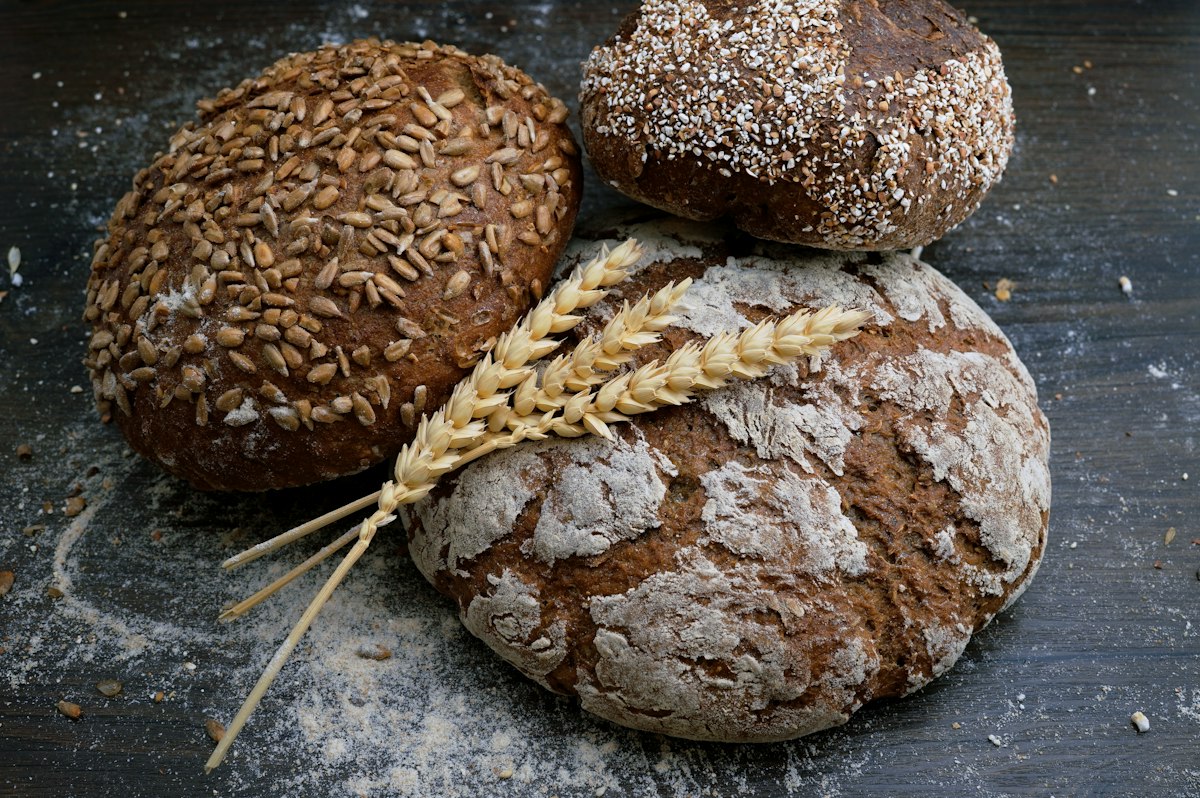
Dewi Anggraini still remembers the morning in 2018 when she first switched on the oven in her home kitchen in Dago, Bandung. With Rp 12 million in savings and her grandmother's sourdough recipe, she launched Rosari Bakery & Cake as a home-based business taking orders over WhatsApp. For the first six months, Dewi did everything herself — buying ingredients, mixing dough at 3 a.m., delivering orders by motorbike, and replying to customer chats while the bread baked. Back then, one small notebook was enough to track every order and expense.
Eight years later, in 2026, Rosari Bakery & Cake looks nothing like that. The business now runs 6 outlets across Bandung — Dago, Kopo, Buah Batu, Setiabudi, Antapani, and Cimahi — supplied every morning by a single central production kitchen in Dago. Total headcount has grown to 85 people: 22 bakers and production staff, 38 cashiers and floor staff across outlets, plus an admin and delivery team. The central kitchen turns out 1,200 to 1,500 items a day, from sliced bread and sweet buns to croissants and sliced cakes. On top of daily retail, Rosari takes 35-45 custom cake orders a month for birthdays and weddings, and supplies 25 consignment partners — minimarkets and office canteens — around Bandung.
The problem is that Rosari's record-keeping never really scaled with the business. Each outlet kept its own returns notebook, custom cake orders lived in whichever admin's personal WhatsApp took the booking, and consignment sales were only reconciled manually at month-end. It all came apart in mid-February 2026. On February 10, a customer posted a TikTok video showing moldy sliced bread bought at the Kopo outlet — the clip racked up more than 62,000 views in two days and dozens of comments questioning Rosari's hygiene standards. It turned out the loaf was one day past its sell-by window, but with no automated flagging in place, outlet staff had simply left it on the shelf. Four days later, on Valentine's Day itself, two different outlet admins each accepted a Rp 1.5 million deposit for the same three-tier wedding cake, on the same date and time slot — because bookings only existed in each admin's private WhatsApp chat, never on a shared calendar. One client canceled the Rp 4.2 million order outright and vented her frustration in a wedding-planning community group. When January's waste finally got tallied manually, the number stunned Dewi: Rp 21 million worth of unsold bread and cake had been written off or thrown away across the six outlets — with no way to tell which outlet was actually driving the loss.
What bakery management software actually is
Bakery management software is a system purpose-built for businesses that run a central production kitchen feeding a network of retail outlets — a different animal from generic F&B POS or ERP tools designed around restaurants and cafes with fixed menus. Three things set it apart. First, it treats short shelf life as a first-class constraint: fresh bread typically stays sellable for just 1-2 days, sometimes only hours for certain items, so every production batch needs to be tracked from the moment it leaves the oven to the moment it's no longer sellable. Second, it calculates cost of goods (HPP) at the recipe and batch level, not just a flat sale price, so owners know the real margin the instant flour or butter prices move. Third, it includes a dedicated module for date-specific custom orders — birthday and wedding cakes — complete with deposits, production scheduling, and delivery scheduling, something a standard restaurant POS was never built to handle.
The real cost of running a bakery without a centralized system
- Expired stock turns into cash losses every single day. Without automated shelf-life tracking per batch, outlet staff are left guessing — products past their window stay on the shelf, while products still perfectly sellable get pulled early out of caution.
- Production and actual demand drift apart. Bakers produce by feel or rough averages instead of real per-outlet sales data, so busy outlets run out during peak hours while quiet outlets pile up leftovers that end up as waste.
- Deposits and delivery scheduling for custom cakes descend into chaos. When orders only live in each admin's personal chat, double-booking on popular dates like Valentine's Day or graduation season becomes almost inevitable, with no digital trail to cross-check.
- Month-end consignment reconciliation becomes a nightmare. Without real-time tracking of goods placed on consignment, the team has to visit every minimarket and canteen partner individually to count physical remainders against paper delivery notes that are often lost or mismatched.
- Recipes and cost calculations drift between outlets and bakers. Without standardized digital recipes, measurements shift from one baker to another, product taste becomes inconsistent, and accurate HPP becomes nearly impossible to calculate when ingredient prices change.
Key features a bakery management system needs
- Digital recipe cards with automatic cost (HPP) calculation. Every recipe is standardized down to exact measurements, and the moment ingredient prices are updated, the system recalculates per-item cost automatically — no more manual spreadsheet rework.
- Production batch planning tied to demand forecasts. The system analyzes historical sales patterns per outlet per day — including seasonality, holidays, and weather — to recommend batch sizes, cutting both overproduction and stockouts.
- Shelf-life tracking with automatic markdown and retour alerts. Every batch is timestamped at production with a defined sellable window; the system automatically prompts staff to mark down prices as the deadline approaches and flags items for return the moment it passes.
- Pre-order and deposit management with a centralized delivery calendar. Every custom order — birthday, wedding, corporate — lands on one calendar visible to every outlet and the production kitchen, complete with deposit status, balance due, and daily production capacity slots.
- Consignment tracking per partner store. The system logs quantities shipped, sold, and returned for every minimarket or canteen partner in real time, so month-end reconciliation is a report pull, not a round of site visits.
- Real-time inventory sync across outlets. Central managers can see every outlet's stock at any moment and reroute surplus from one outlet to a short outlet before it turns into waste.
- Sales dashboard by outlet and by SKU. Owners can see which products sell best where, when sales peak during the day, and margin trends by category, all in one view.
Off-the-shelf software or custom-built system
For a bakery with 1-2 outlets and simple needs, a subscription SaaS POS is often enough — it's cheap, quick to set up, and fine for a business that hasn't yet accumulated much consignment or pre-order complexity. But once a business grows the way Rosari did — six outlets, dozens of consignment partners, dozens of date-specific custom orders a month, and recipes that need to stay consistent across every outlet — generic software starts showing its limits fast: pre-order features aren't flexible enough for specific deposit rules, there's no consignment module, and per-recipe cost reporting simply doesn't exist.
At that point, a custom system becomes the more sensible long-term choice. It can be built to match Rosari's exact workflow — how the central kitchen distributes batches to six outlets, different deposit rules for birthday versus wedding cakes, and consignment reports formatted the way local minimarket partners actually expect them. The upfront investment is bigger than a SaaS subscription, but over 1-2 years it usually pays off, since there's no per-outlet license fee compounding over time, and the system can grow with the business without hitting a subscription tier's ceiling.
Realistic costs and timeline in Indonesia
For a small bakery with 2-5 outlets and basic needs — digital recipes, stock tracking, simple pre-orders — custom system development typically runs Rp 50-110 million with a 2-3 month timeline. For a larger chain like Rosari, with 8 or more outlets and full requirements — pre-order with production calendars, multi-partner consignment, real-time multi-outlet dashboards, and accounting system integration — costs typically range from Rp 150-350 million with a 4-6 month timeline depending on integration complexity. On top of that, annual maintenance typically runs 15-20% of the initial development cost, covering system updates, bug fixes, and feature adjustments as the business evolves.
Case study: Rosari Bakery & Cake, Bandung
After the February 2026 incidents, Dewi commissioned a custom bakery management system that went fully live in May 2026. Six to eight months after implementation, the results were unmistakable: daily waste dropped from an average of 8-9% of production to 2.5%, saving roughly Rp 14 million a month. Customer complaints about expired products — whether on social media or through customer service — fell from an average of 6-7 cases a month to almost zero over the last three months. Custom cake order accuracy — orders completed on the right date and to spec with no scheduling conflicts — rose from around 82% to 99%. Overall, Rosari's revenue grew 23% year over year, driven largely by fewer stockouts during peak hours and rebuilt customer trust in the pre-order service.
Metrics to monitor after implementation
- Daily waste as a percentage of total production, per outlet
- Pre-order fulfillment accuracy (correct date and specification)
- Physical vs. system stock variance at monthly consignment reconciliation
- Gross margin per SKU against standard recipe cost (HPP)
- Average time from batch leaving the oven to being sold or returned
Implementation challenges and how to solve them
The first challenge that almost always shows up is senior bakers resisting digitally standardized recipes — many are used to "feeling" the dough and are reluctant to follow precise measurements on a screen. The fix is involving senior bakers from the recipe-digitization stage itself, letting them set the standard measurements, so the system feels like it's documenting their expertise rather than replacing it.
The second challenge is moving consignment partners from paper delivery notes to digital reconciliation. Many small minimarkets and canteens are still comfortable with the old way. An effective solution is offering a hybrid transition period — physical notes still get printed as proof of handover, but the data is entered into the system directly by Rosari's own delivery team, rather than pushing a process change onto the partners.
The third challenge is the risk of rolling out to all six outlets at once, which could disrupt daily operations if technical issues surface. Rosari's approach was a phased rollout: starting with the Dago outlet as a three-week pilot, fixing issues that came up, then expanding to the remaining five outlets in waves of two per week.
Where to start
Rosari Bakery & Cake's journey from a home kitchen in Dago to six outlets across Bandung proves that growth without the right system can backfire — the viral incident and deposit dispute in February 2026 nearly undid eight years of reputation Dewi had built. If your bakery business is starting to show the same symptoms — untracked waste, custom orders colliding on the calendar, or consignment reconciliation that's always late — it's time to consider a system built specifically for the complexity of running a bakery. Check the pricing estimate for your needs, or go straight to submit a project for a consultation on your bakery management system requirements.
Have a similar project?
Free consultation, no commitment. Tell us what you need — we'll help you find the best solution.
Free Consultation