Imagine your loyal customer wants to order their favorite product at 11pm. The store is closed, the website is slow on mobile, and they end up switching to a competitor that has an app. This scenario plays out every day at thousands of Indonesian retail businesses that haven't yet invested in a mobile app.
By 2026, having a mobile app is no longer a luxury — it's a competitive necessity. Indonesia has over 185 million active smartphone users, and shopping behavior keeps shifting further toward mobile. This article explains why your retail business needs to act now, what features are essential, and how to get started efficiently.
The Shift in Indonesian Consumer Shopping Behavior
Recent data reveals facts no retail business can afford to ignore:
- 72% of Indonesian e-commerce transactions happen on mobile devices
- The average Indonesian smartphone user spends 5.5 hours a day on their phone
- 68% of consumers prefer shopping via an app over a mobile website because of the smoother experience
- Repeat purchase rate on apps is 3x higher than on mobile websites
Millennials and Gen Z — who now dominate purchasing power — grew up with smartphones. For them, the app is the main interface for interacting with a brand. Retail businesses that aren't there are losing the most direct communication channel with their most important customer segment.
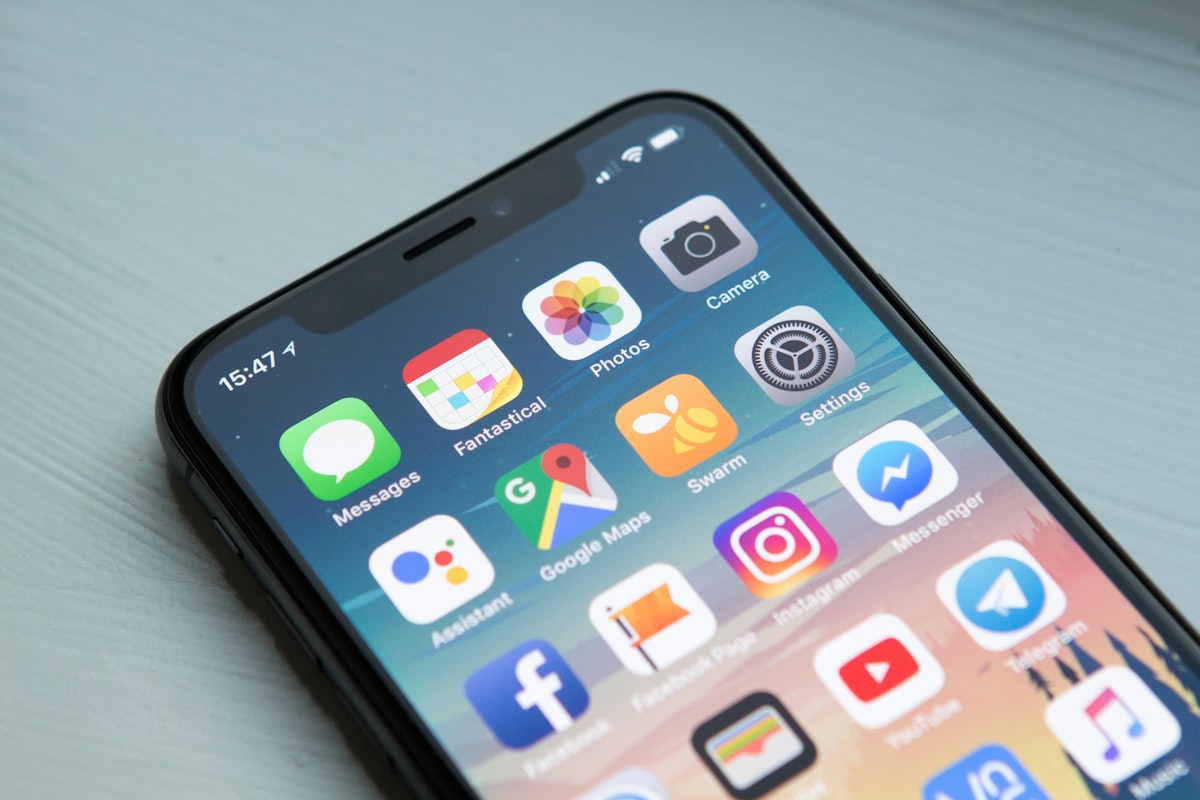
7 Concrete Benefits of Having a Mobile App for Retail Businesses
1. Push Notifications — The Most Effective Marketing Channel
Email marketing has an average open rate of 20–25%. Push notifications? Open rates reach 50–60% for relevant notifications. This is a direct channel to customers that isn't blocked by social media algorithms or email spam filters.
You can send notifications for:
- Sudden flash sales valid for 2 hours
- Abandoned cart reminders
- Real-time order status updates
- Personalized birthday promos
- Restock alerts for long out-of-stock favorites
One well-timed, relevant push notification can generate dozens to hundreds of transactions within hours.
2. A Loyalty Program People Actually Use
Physical loyalty cards often get lost or forgotten at home. A loyalty program inside an app is always in the customer's pocket. You can build a points system, membership tiers, and rewards that keep customers coming back.
Retail businesses that implement an in-app loyalty program report an increase in customer lifetime value of up to 40%. Customers who've joined a loyalty program are 5x more likely to choose your store over a competitor's.
3. Actionable Customer Behavior Data
Every tap, scroll, and purchase in the app is data. You can see:
- Which products are viewed often but rarely bought (low conversion → needs a price or description review)
- What time customers are most active (schedule promos at the right time)
- Confusing navigation paths (a UX issue that needs fixing)
- Products frequently bought together (a cross-sell and bundling opportunity)
This data is far richer than physical store data and enables more precise business decisions.
4. A Smoother Shopping Experience
A responsive mobile website still has more friction than a native app. Apps have the edge with:
- Faster loading since assets are stored locally
- Intuitive navigation with mobile-native gestures
- Easier checkout with saved data and biometric authentication
- Seamless integration with device features (camera for barcode scanning, GPS to find the nearest store)
Every second of friction removed boosts conversion rate. On average, businesses report a 3x higher conversion rate on apps compared to mobile websites.
5. Offline Capability for Catalog Browsing and Ordering
With the right Progressive Web App or native app technology, customers can browse the catalog even without a stable internet connection. In Indonesia, with its varying network quality, this is a real differentiator — especially for businesses in tier-2 and tier-3 cities.
6. Seamless Omnichannel Integration
An app can bridge the online and offline experience:
- Scan and Go: Scan a product barcode in-store for more details, or buy online if it's out of stock
- Click and Collect: Order online, pick up in-store — reducing shipping costs for customers
- Stock Checker: Check product availability at the nearest branch before visiting
- In-store Navigation: For large stores, aisle guidance to find products quickly
7. Long-Term Brand Building and Customer Loyalty
Your app icon on a customer's home screen is extremely valuable digital real estate. Every time they pick up their phone, your brand is present. This creates far stronger brand recall than an ad that appears and disappears.
Essential Mobile App Features for Retail Businesses
Not all features are created equal. Here are the ones that deliver the highest ROI:
Core Features (Must-Haves from Day One)
Product catalog with smart search — Search that handles typos, synonyms, and multi-dimensional filters. If a customer can't find a product within 3 clicks, they leave.
Friction-free cart and checkout — Save shipping info, multiple payment methods, and instant confirmation. Every extra checkout step = a 15–20% drop-off.
Real-time order tracking — From payment confirmation, through packing, to estimated arrival. Transparency reduces customer service queries and builds trust.
Customer accounts — Order history, wishlist, saved addresses, and data that makes every visit feel more personal.
Growth Features (Add in Later Phases)
Loyalty points and rewards — A gamification system that makes shopping more fun and habit-forming.
Referral program — Encourage customers to invite friends with a win-win reward.
Flash deals and countdown timers — Creating urgency that drives impulse purchases.
AI-based product recommendations — A truly relevant "customers who bought this also bought..."
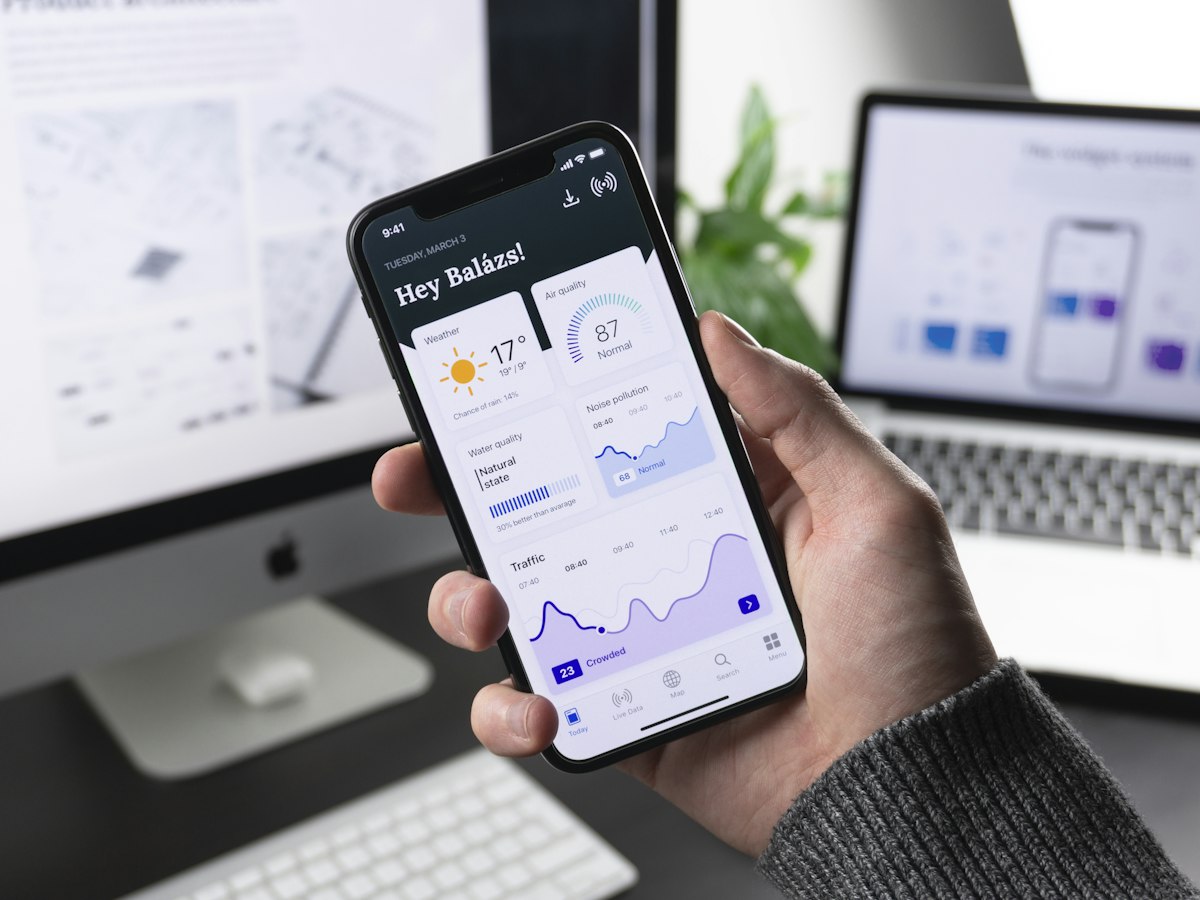
How Much Does It Cost to Build a Mobile App for a Retail Business?
This question always comes up, and the answer depends on scope:
Basic retail app (catalog, cart, checkout, order tracking) — Rp 15M–30M for Android + iOS using cross-platform technology like Flutter. Timeline: 6–10 weeks.
Mid-tier retail app (+ loyalty program, push notifications, admin analytics dashboard) — Rp 30M–60M. Timeline: 3–5 months.
Advanced retail app (+ AI recommendations, omnichannel integration, multi-store management) — Rp 60M and above, heavily dependent on the complexity of integration with existing systems.
This investment sounds large, but compare it to:
- Marketplace commission fees (5–15% per transaction) that recur endlessly
- Increasingly expensive digital ad costs to drive traffic
- Lost revenue as customers switch to competitors that are easier to access
For businesses with monthly revenue above Rp 50M–100M, app ROI is typically achieved within 6–12 months.
When Is the Right Time to Start?
A few signs that your retail business is ready to invest in a mobile app:
- You already have an active loyal customer base (at least 500–1,000 repeat customers)
- Monthly revenue is consistent with margin available for investment
- You're seeing significant mobile traffic on your existing website
- Competitors are starting to have apps and you're noticing customers switching over
- Your operations are mature enough to handle increased order volume
If you're not there yet, start with a mobile-optimized website and build the app once the business is more established.
Steps to Start Building a Retail App
- Define a clear business goal — Not "we want an app," but "we want to increase repeat purchase rate by X% within 12 months"
- Map the customer journey — From product discovery to repeat purchase, identify the friction points you want to solve
- Prioritize features — Start with an MVP that solves the main problem, not every feature at once
- Choose the right technology — Cross-platform (Flutter/React Native) for cost and maintenance efficiency; go native only if you have very specific performance or feature needs
- Choose an experienced technology partner — A team that understands retail business, not just coding
At AFSS, we've helped Indonesian retail businesses — from small businesses to multi-branch chains — build apps that actually deliver results. Not just pretty apps, but platforms that drive measurable business growth. Check out our mobile app services or get a free consultation now.
Conclusion
By 2026, the question is no longer "does my retail business need a mobile app?" — it's "how fast can I build one before competitors get too far ahead?"
Indonesian consumers are already mobile-first. They expect to interact with their favorite brands anytime, anywhere, as easily as opening an app. Retail businesses that meet this expectation will earn loyalty that's hard for competitors to steal away.
Start by defining the business problem you want to solve, not the features you want to build. With the right approach, a mobile app is an investment that delivers long-term returns — not an added cost.
Have a similar project?
Free consultation, no commitment. Tell us what you need — we'll help you find the best solution.
Free Consultation