Apartment & Housing Complex Management Software: Unifying IPL Billing, Booking & Security
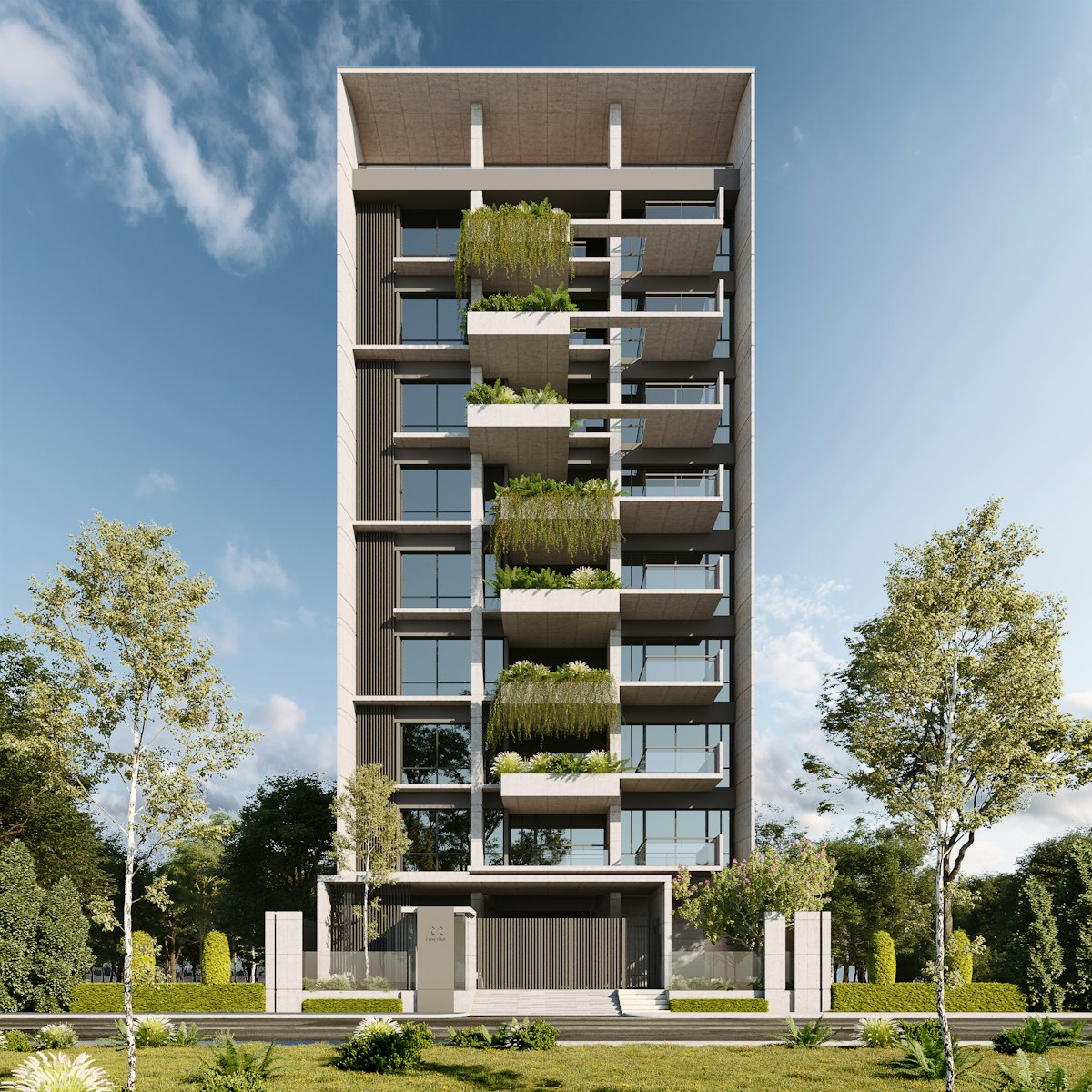
Saturday morning, 8:15 am, at Grand Cattleya Residence, an apartment complex in the Antapani district of Bandung, Bambang Wijaya had barely sat down at his ground-floor management desk when five residents were already queuing at the office window. Mrs. Ratna from unit A-1204 wanted to know why her June maintenance fee still showed as unpaid, even though she had transferred the money to a staff member's personal account three weeks earlier. Behind her, Mr. Yusuf from Tower B was fuming because the function hall he had booked for his daughter's birthday reception that evening turned out to be double-booked with a neighborhood association gathering — both parties had already ordered catering for 60 guests. Bambang flipped through the thick binder where three different admin staff had scrawled booking dates over the past week, and none of them had crossed out the conflicting date.
In the 'Grand Cattleya Residents' WhatsApp group, 380 members strong, a complaint about a leaking air-conditioning pipe on the 9th-floor corridor — reported the previous Monday — was buried under 200 messages about fogging schedules and a neighbor's homemade cookie pre-orders. The paper logbook the night-shift security guard used to record visitors had several pages ruined by a spilled coffee cup, so when a resident reported a stolen motorcycle from the basement, nobody could confirm which guest had entered the building and at what time. Bambang, who manages 320 units with a team of only five people, realized that spreadsheets, paper binders, and a WhatsApp group had long outgrown their ability to keep this building orderly, fair, and transparent for its residents.
What Apartment & Housing Complex Management Software Actually Is
Apartment and housing complex management software is a centralized digital system that unifies the entire operation of managing a residential tower or gated housing estate — maintenance fee (IPL) billing, resident and unit records, shared facility bookings, maintenance complaint tickets, and visitor/vehicle security logs — into one platform accessible in real time by property managers, homeowner association boards, and residents alike.
This is fundamentally different from the combination of spreadsheets, WhatsApp groups, and handwritten logbooks that most Indonesian building managers and neighborhood associations still rely on. A spreadsheet has no automatic audit trail — nobody knows who edited what and when. A WhatsApp group buries important information among casual chat and has no 'resolved/unresolved' status anyone can track. A paper logbook is prone to loss, cannot be searched, and can only be accessed by one person at a time. Apartment management software replaces all three with a structured database, automated notifications, and reports that can be pulled up at any moment by anyone with proper access — including residents themselves, for the sake of financial transparency.
The Real Cost of Running Without a Digital System
- Maintenance fee collection leakage: For a 320-unit apartment building charging an average IPL of Rp350,000/month, unpaid arrears without automated reminders typically run 15-22% of total monthly billing — that's Rp16.8 million to Rp24.6 million stuck every single month, or more than Rp250 million a year.
- Double-booked function halls and facilities: Every scheduling clash like Mr. Yusuf's incident above typically triggers compensation, catering cancellations, or refunds averaging Rp1.5 million to Rp3 million per occurrence, not counting the reputational damage to the management team.
- Lost complaint tickets: Damage reports buried in WhatsApp and only addressed after 2-3 weeks routinely turn a minor issue (like water seepage) into a major repair costing Rp10 million to Rp35 million, versus under Rp3 million if handled within 48 hours.
- Gaps in visitor and vehicle security logs: An inconsistently filled paper guestbook means insurance claims for stolen vehicles or belongings are often rejected for lack of valid entry/exit records, potentially costing residents Rp15 million or more per unclaimable incident.
- Opaque financial reporting: Managers who only report finances once a year at the annual meeting face the risk of a surprise extraordinary general meeting triggered by resident suspicion, with emergency independent audit costs that can reach Rp25 million to Rp40 million per process, on top of the board's drained time and energy.
Must-Have Features
- Digital IPL billing with automated reminders and a payment gateway — residents receive bills through the app or WhatsApp and can pay via virtual account, QRIS, or card, with paid status updating automatically.
- Centralized resident and unit database — ownership history, owner-occupied or tenant status, emergency contacts, and registered vehicles, all in one profile per unit.
- Facility booking calendar with automatic conflict detection — function halls, pools, gyms, and multipurpose rooms can't be double-booked; the system automatically rejects overlapping reservations.
- Complaint and maintenance ticketing with SLA tracking — every damage report gets a ticket number, status, assigned handler, and a resolution deadline residents can monitor.
- Digital visitor and vehicle security log — gate staff record visitors and license plates through an app or tablet, linked to the destination unit's record, searchable at any time.
- Financial transparency dashboard for residents and the board — IPL income, operating expenses, and shared cash balance visible anytime, without waiting for the annual meeting.
- Multi-tower or multi-cluster dashboard for property management companies — for firms managing several apartments or housing clusters at once, one consolidated dashboard makes it easy to monitor performance at every site.
- Resident mobile app — access bills, book facilities, file complaints, and read management announcements straight from a phone without a trip to the management office.
Ready-Made SaaS vs Custom-Built System
For a single apartment building or housing complex with fewer than 300 units and relatively standard needs, a ready-made SaaS platform usually makes more sense — low upfront cost, live within days, and well suited to a homeowner association or RT/RW board making its first move away from manual processes.
But when a management company oversees several apartment buildings or housing clusters at once, has distinctive internal workflows (tiered IPL schemes by unit type, integration with in-house accounting systems, or special reporting requirements to a developer), a custom-built system pays off over the long run. A custom system allows deep integration with existing business processes, full data ownership, and the freedom to add features without being tied to a SaaS vendor's roadmap.
Cost and Timeline Ranges in Indonesia (mid-2026)
As of mid-2026, ready-made SaaS subscriptions for apartment/housing management in Indonesia generally run Rp800,000 to Rp3.5 million per month depending on unit count and feature set (usually priced per unit, around Rp3,000-Rp8,000/unit/month), with implementation in 1-3 weeks.
For a mid-scale custom system (a single apartment building or housing complex, 200-600 units, full core features: IPL billing, booking, complaints, security, financial dashboard), expect an investment range of Rp45 million to Rp120 million with a 2-4 month build. For a large-scale custom system (a multi-tower/multi-cluster management company, full payment gateway integration, native mobile app, API to accounting systems), expect Rp180 million to Rp450 million or more with a 4-8 month build. Beyond the initial build cost, budget an annual maintenance allocation of roughly 15-20% of the project value for security patches, technical support, and feature adjustments as the property grows.
Case Study
Note: the following case study is an illustrative composite representing patterns we commonly observe among property-sector clients, not a real named entity.
The Meridian Residence in Surabaya, two towers totaling 480 units managed by PT Meridian Griya Sejahtera, faced problems much like Grand Cattleya's before switching to a digital system in early 2025. Their IPL collection rate sat at only 74%, an average of 68 complaint tickets piled up unresolved in WhatsApp every month, and at least one Annual General Meeting turned contentious each year over residents' questions about where the shared cash fund was going.
After implementing an integrated management system with automated billing, facility booking, SLA-tracked tickets, and an open financial dashboard, within 8 months the IPL collection rate rose to 96%, average complaint resolution time dropped from 11 days to 1.8 days, and double-booked function hall incidents fell from an average of 4 per month to nearly zero, since the system now automatically blocks conflicting schedules.
What mattered most to the board was the disappearance of resident suspicion around finances — because every resident could open the dashboard and see real-time income and expenses for themselves, their 2026 annual meeting ran without a single incident, and the board started spending its energy on facility upgrades instead of defending its own transparency.
Metrics to Track After Implementation
- Monthly IPL collection rate (target above 92-95%).
- Average complaint ticket resolution time from report to close.
- Number of facility double-booking incidents per month.
- Resident satisfaction with financial reporting transparency (trackable via a short in-app survey).
- Ratio of complete, validated security log entries against actual visitor traffic.
- Management staff hours spent on manual administrative work, before versus after the system goes live.
Where to Start
If the building or complex you manage still runs on spreadsheets, paper binders, and a WhatsApp group for IPL billing, facility bookings, and security, it's time to consider a system actually built for that job. AFSS regularly builds apartment and housing complex management systems tailored to Indonesia's specific IPL schemes, board structures, and reporting needs. Check pricing for an investment range that fits your unit count, or go straight to submit a project to discuss your property management system needs.
Have a similar project?
Free consultation, no commitment. Tell us what you need — we'll help you find the best solution.
Free Consultation

